
Try Our Signature Family Favorites Menu Plans for 7 Days - FREE:

Since 2007, Menu Planning Central has been making life easier for busy individuals and families - like yours!
Today, we carry on that tradition with all-new menu plans and recipe collections designed to help you save time and money so you can focus on and enjoy the things that matter most to you.

Save Time
Stop spending hours searching for healthy & delicious recipes online or in your time-worn cookbooks. Leave the planning to us and enjoy four new weekly menu plans each month!
Save Money
It's easy to waste money at the grocery store when you "wing it." Food waste is a big problem, and our convenient, organized shopping lists will help you buy only what you need.
Eat Healthier
Eating well is the foundation of a healthy, happy lifestyle. Our recipes feature fresh, real food with very minimal refined sugar and/or added salt, preservatives, or other artificial ingredients.
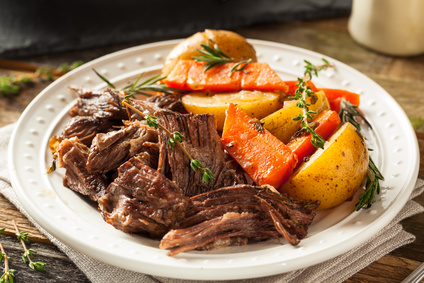
Our signature set of menu plans featuring delicious home cooked favorites your whole family will love! All recipes feature minimal added salt, with the option to omit completely.
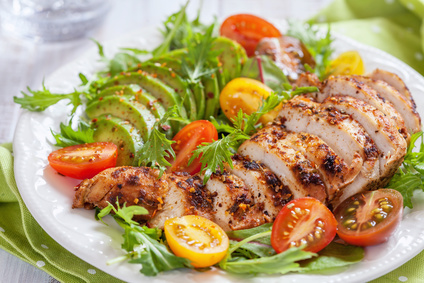
Dinner is served in 30 minutes or less with these popular quick & easy menu plans. All recipes are gluten free and do not contain any refined sugar or other processed ingredients.
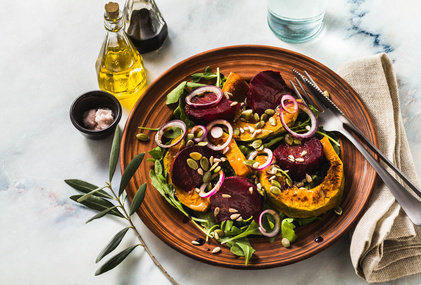
These plans feature delicious meat-free main dishes. Recipes do not include any refined sugar or dairy, as well. 30-35% of the recipes include pasta or other forms of gluten.

Trish Lindemood
MenuPlanningCentral.com
MenuPlanningCentral.com has been making life easier for busy individuals and families since 2007.
Today, our team of talented recipe developers and menu planners carries on that tradition with our all-new signature menu plans featuring delicious and easy homemade meals your whole family will love!
OMG! Loving that this program has made it so easy. No more pondering for hours what to have the following week...
[Also] LOVE the new format! Thank you for including the prep and cook times. Thank you for the opportunity to provide quick, healthy meals for my family....
I really like how the shopping list notes the recipe number after the ingredients. That made it very easy to know which items I needed to buy for the recipes that I had chosen."
Diane T. - Family Favorites Menu Plans
This menu plan is lifesaver! The shopping list is incredibly helpful for this working mom. Everything is laid out by grocery store department, so there's no criss-crossing the store to find what I need. The variety of the menus is fantastic - even for the picky eater in my family.
The recipes are clear, concise, and not too complicated. I also love not having to use every pot in the house, which makes cleanup a breeze. Most importantly, the food is absolutely delicious!"
Jennifer A. - Family Favorites Menu Plans
Ok I have to say I LOVE LOVE the recipe cards!!! I am going to try some of these this week.... they sound delicious! Especially the Gluten-Free Turkey Meatballs..."
Tonya J. - Family Favorites Menu Plans
Diabetes runs in my husband's family and our doctor told us we need to modify our diet to include more whole foods and less added salt and sugar. We've been really impressed with the recipes in these menu plans because of how easy they make it to put healthy, nutritious meals together.
The best part is the recipes taste so great that we don't even miss the less healthy food we're used to eating. We've both lost weight and lowered our sugar/cholesterol and we FEEL great mentally and physically. We are grateful to Menu Planning Central for being part of our more healthy lifestyle and we look forward to trying the brand new "Healthy 30-Minute Meals" plans as soon as they come out!"
Jennifer S. - Family Favorites Menu Plans
Copyright 2020 MenuPlanningCentral.com
Disclaimer